Predict overall survival
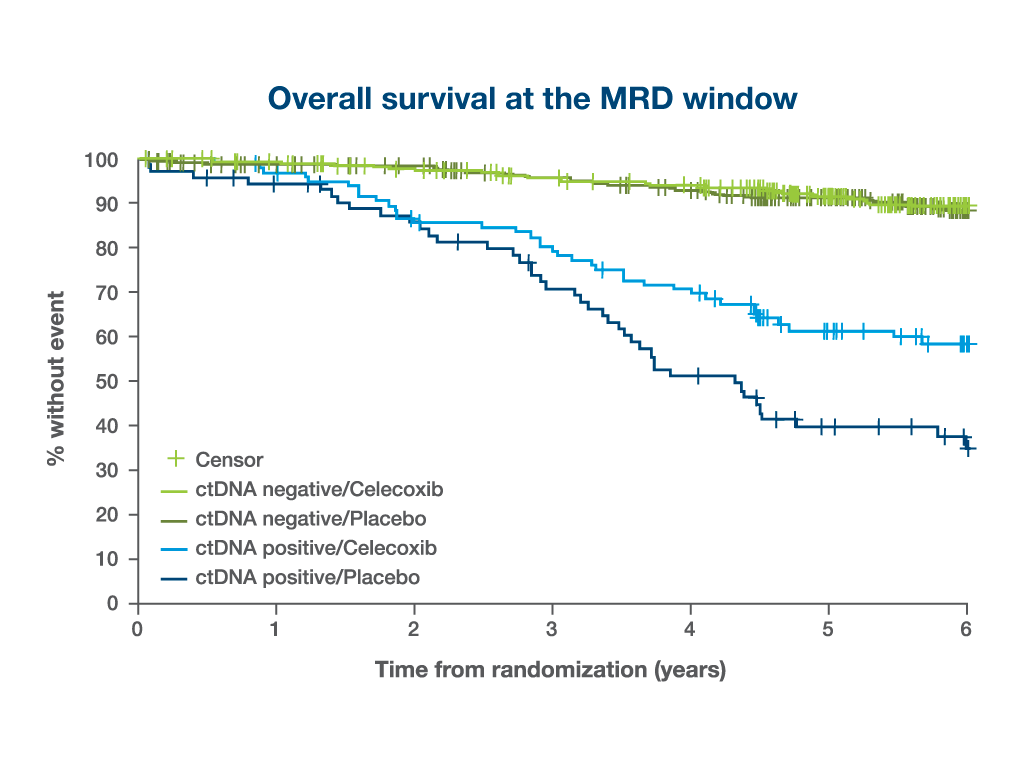
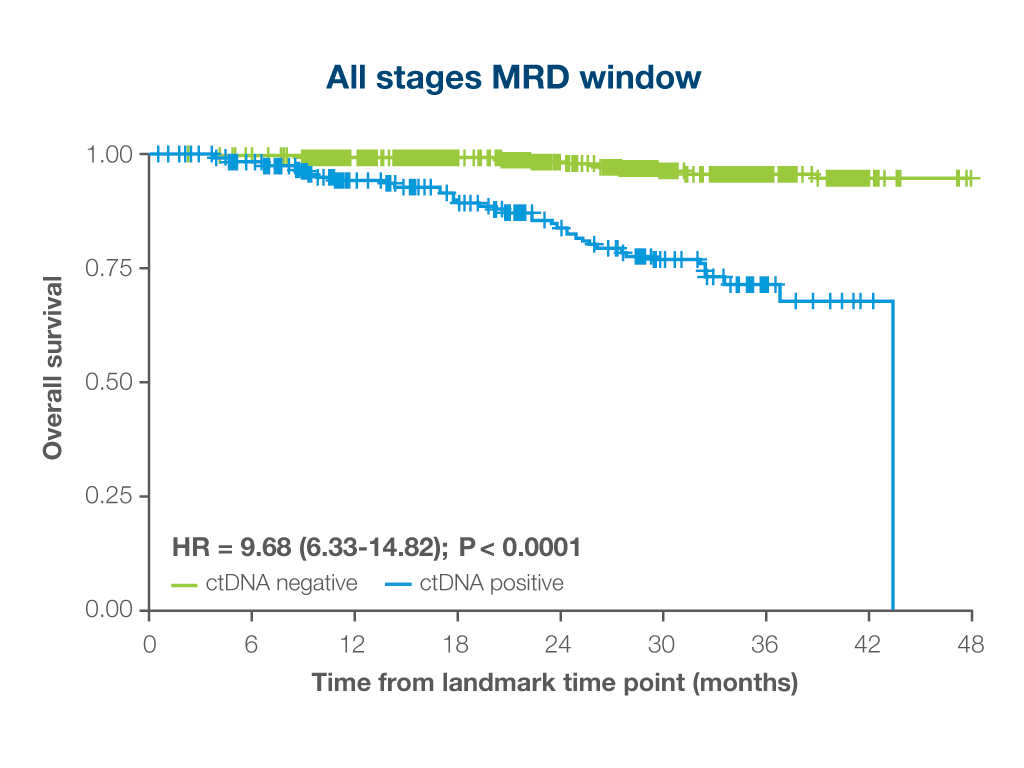
97%of ctDNA negative patients vs. 71.8% of ctDNA positive patients had 36-month OS.1

Medical Tests
Tumor-informed ctDNA testing
Signatera™ is a personalized, tumor-informed ctDNA assay that addresses a critical unmet need in gastrointestinal cancers by identifying MRD after surgery and neoadjuvant therapy when imaging and clinicopathologic factors often fall short.
By detecting recurrence earlier in colorectal, anal, gastroesophageal, HCC and pancreatic cancers, Signatera™ refines risk stratification, informs adjuvant treatment decisions, and can help identify patients who may benefit from metastasis-directed therapy when recurrence is detected at a molecular level.
Select a cancer type
Signatera™ for Colorectal Cancer
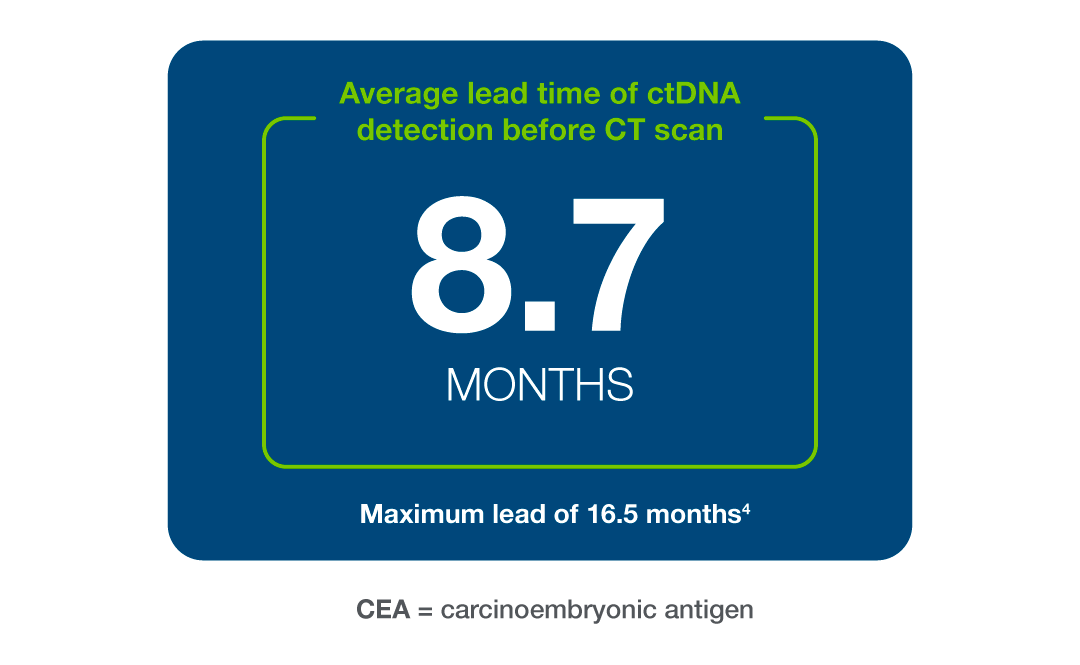
By custom-designing each assay to a patient's unique cancer signature, Signatera™ identifies colorectal cancer recurrence with high sensitivity, detecting molecular relapse months ahead of traditional imaging.
This window of lead time empowers clinicians to intervene earlier, optimize adjuvant therapy, and make more confident treatment decisions.
Inform clinical challenges
of ctDNA negative patients vs. 71.8% of ctDNA positive patients had 36-month OS.1

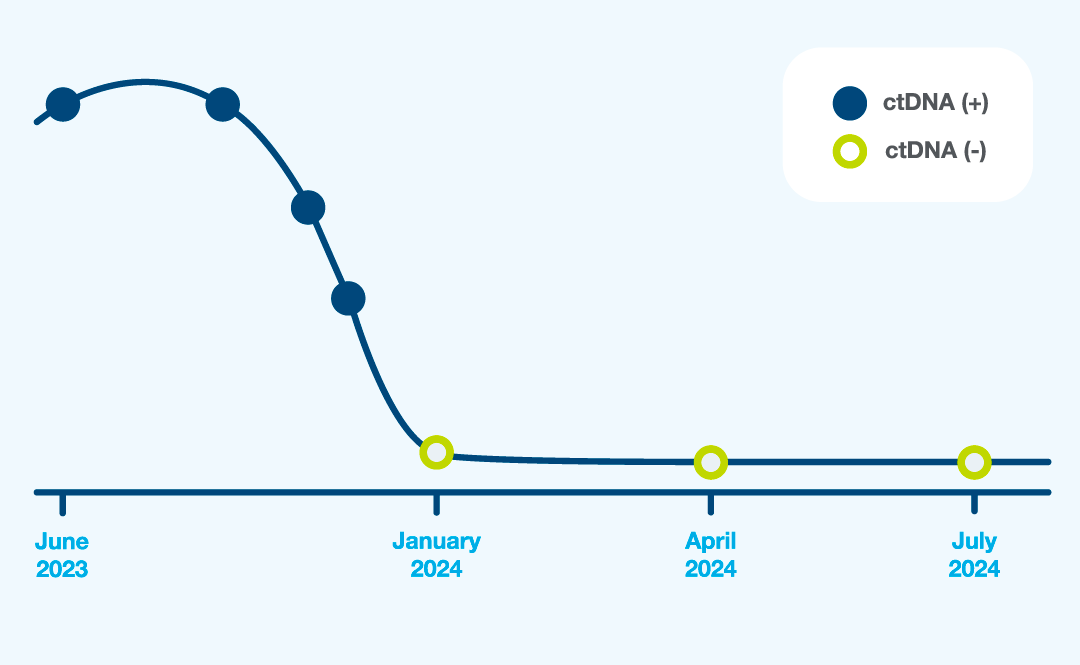
ctDNA-positive patients who achieved sustained clearance had 100% OS at 24 months.1
Personalized decisions
Signatera™ MRD status predicted overall survival: Patients who tested Signatera™-positive after surgery had significantly worse overall survival compared to those who were Signatera™-negative.1
ctDNA-positive patients who achieved sustained clearance had 100% OS at 24 months, supporting the value of serial monitoring after intervention.1
Treatment escalation
CALGB (Alliance)/SWOG 80702 publication JAMA Oncology evaluated the predictive and prognostic value of Signatera™ in 940 stage III colon cancer treated with adjuvant FOLFOX ± celecoxib.
Signatera™-positive patients treated with both chemotherapy and celecoxib showed a 40% improvement in overall survival compared to chemotherapy alone.2
No benefit from celecoxib was observed in Signatera™-negative patients.
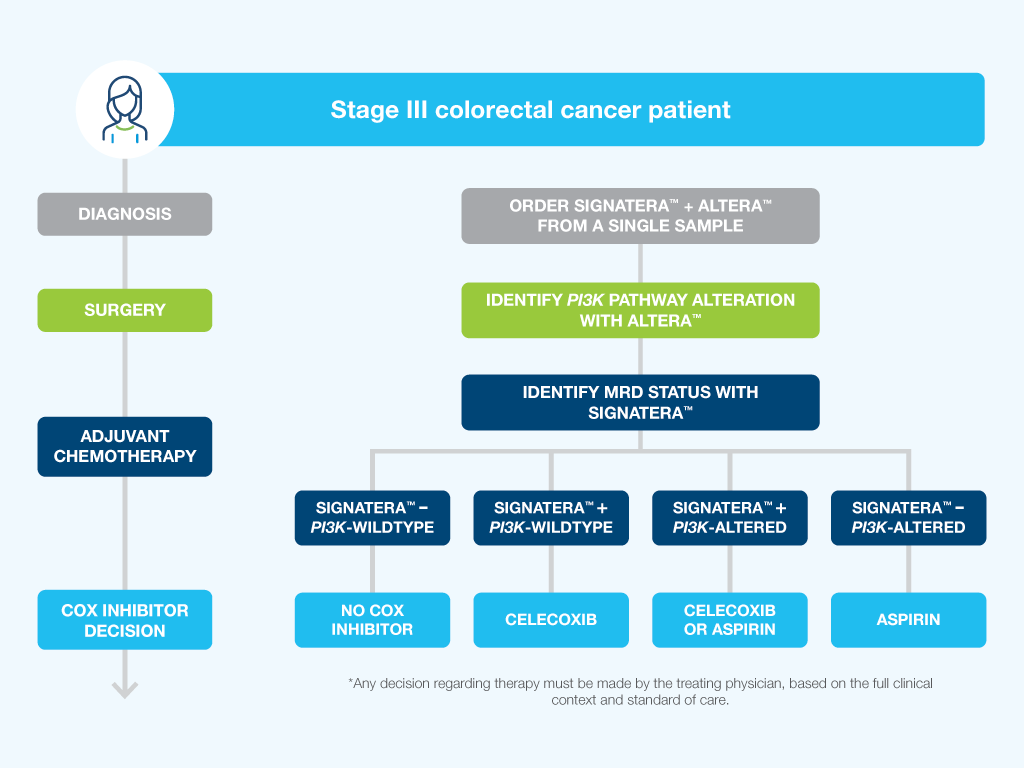
Celecoxib improved DFS in Signatera™-positive patients, independent of PIK3CA mutational status.
Natera Cancer Care
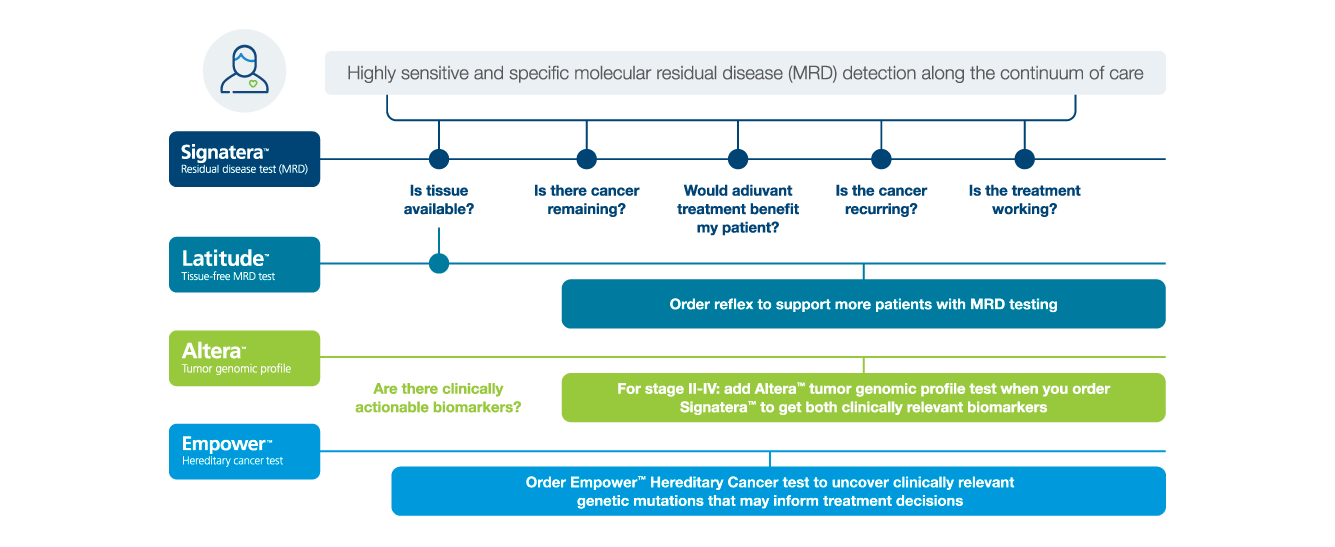
Altera™ tumor genomic profiling for patient selection + Signatera™ MRD testing. Altera™ detects PI3K pathway mutations (PIK3CA, PTEN, PIK3R1), which guide NSAID therapy decisions.
With a single sample, clinicians can get molecular residual disease (MRD) and tumor genomic profiling from the same tumor sample, enabling patient selection for additional therapy and MRD tracking over time.
Metastasis-directed therapy
Signatera™ identified more patients eligible for curative-intent MDT during surveillance by detecting recurrence at the molecular level, when patients are still candidates for local therapy.3
Clinical applications
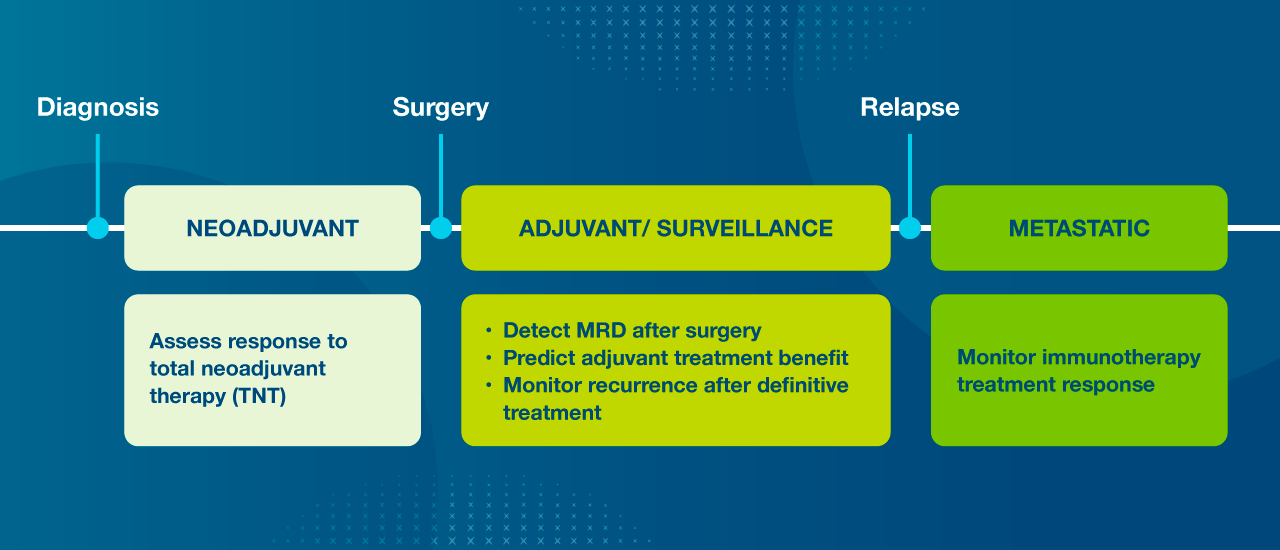
Monitor neoadjuvant response with serial Signatera™ testing. Identify low risk patients who are ctDNA-negative to potentially support a nonsurgical watch and wait approach.
Identify patients at high risk of recurrence who may benefit from adjuvant chemotherapy.
Assess for MRD more accurately than current risk assessment methods. ctDNA-positivity in the surveillance window was predictive of inferior DFS.
Serial testing value
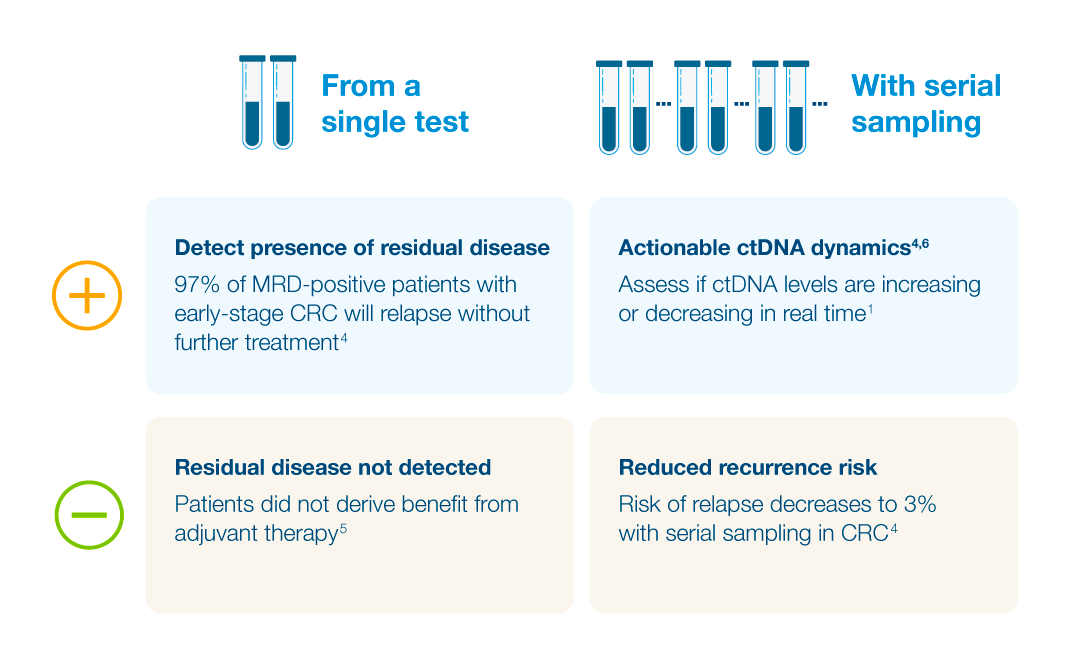
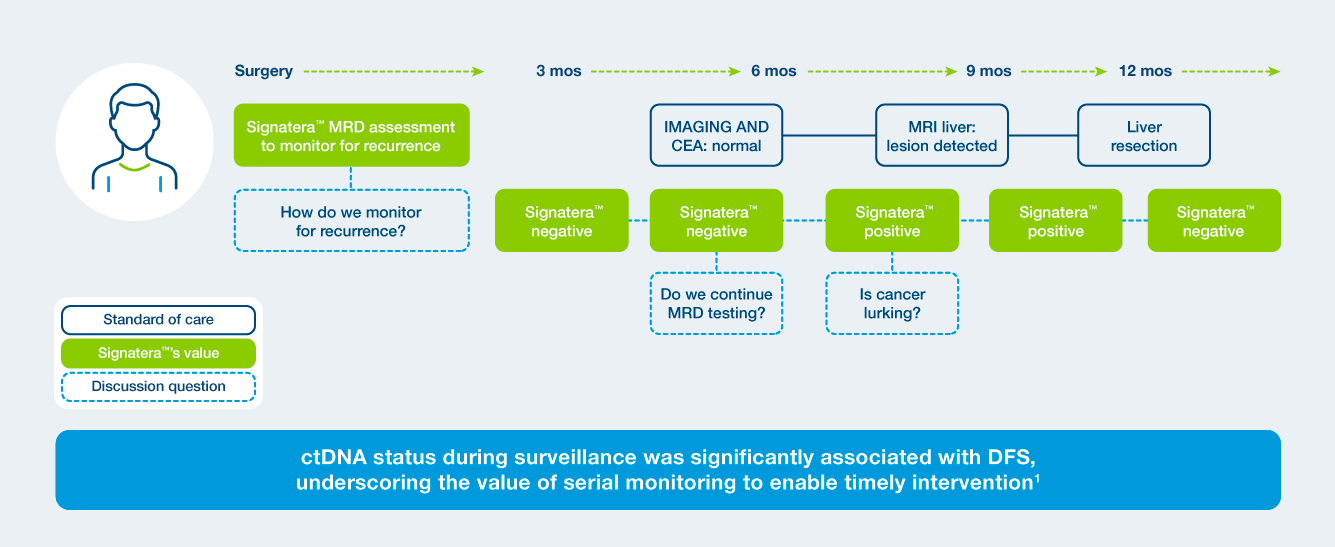
Compared to patients who were serially ctDNA negative, patients with ctDNA positivity at any timepoint were approximately 34 times more likely to recur (HR: 33.56, 95% CI: 26.07-43.20, P < 0.0001).1
Serial monitoring can help clinicians evaluate neoadjuvant response, post-surgical MRD status, and recurrence risk across the patient journey.
Coverage
Stage II-IV and oligometastatic colorectal cancer (CRC) in the adjuvant and recurrence monitoring settings
Stage II-IV breast cancer in the neoadjuvant setting, regardless of subtype, and Stage IIb and higher breast cancer in the adjuvant and recurrence monitoring settings
Muscle invasive bladder cancer (MIBC) in the adjuvant and recurrence monitoring settings
Stage I-III non-small cell lung cancer (NSCLC) in the surveillance setting
Stage II-IV ovarian, fallopian tube, or primary peritoneal cancer in the adjuvant and recurrence monitoring settings
Monitoring response to immune-checkpoint inhibitor (ICI) therapy for patients with any solid tumor
Advance Medilinks support
Our team can help coordinate access, logistics guidance, and patient support for advanced cancer genomic testing.
Transforming the management of cancer with personalized testing Signatera™ is a highly sensitive and personalized molecular residual disease assay (MRD) using circulating tumor DNA (ctDNA), custom designed for...
Patient Form